
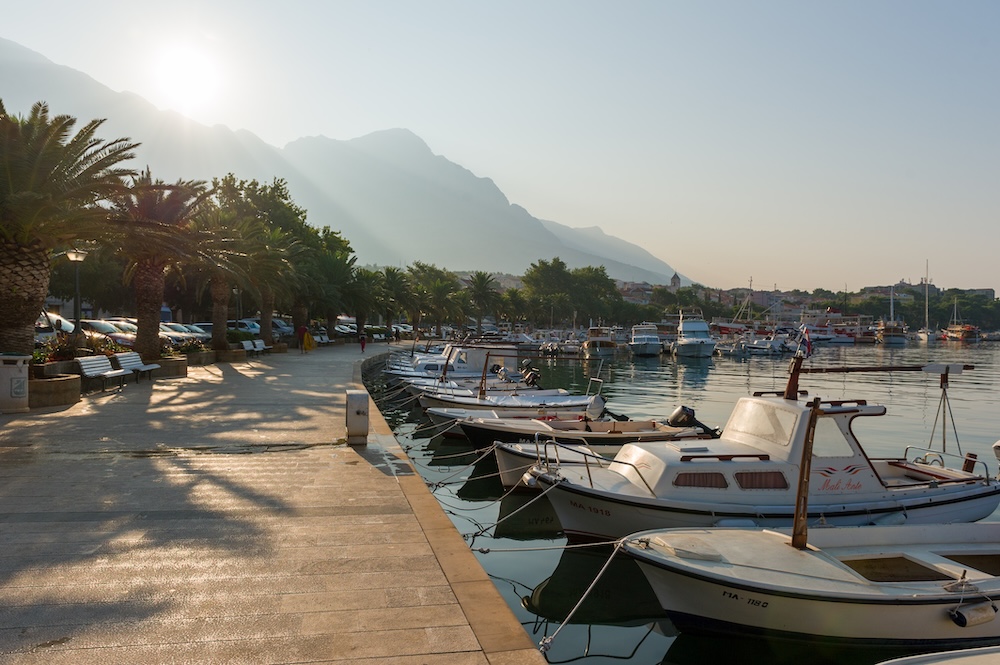
An ordinary California car sale needs no notary at all. Seller signs the title, buyer signs the title, and the DMV does the rest. People still arrive at a Notary Newport Beach counter with a pink slip expecting a seal, and the useful answer is usually that they do not need one. Where a notary does become necessary is narrower and more specific: a lost title, an owner who has died, a seller who cannot be present, and certain filings for boats large enough to be documented federally.
Does a California vehicle title transfer need a notary?
Generally no. A properly endorsed Certificate of Title transfers a vehicle without any notarial act.
The seller signs the title in the designated line, the buyer completes their portion, and the transfer goes in with the applicable fees and use tax. A separate bill of sale is good practice, but California does not require it to be notarized.
Two deadlines matter more than the paperwork format. The seller should file a Notice of Transfer and Release of Liability with the DMV within five days, which is what protects them from tickets and liability after the car leaves. The buyer generally has ten days to submit the transfer before penalties accrue.
Which situations do involve a notary?
Four recur.
- A lost or damaged title. Replacement and transfer applications carry their own execution requirements, and some DMV forms include a notarial block. Ask the DMV which form applies first, since several are secure forms not available for download.
- A seller who cannot attend. A power of attorney authorizing someone to sign for the owner must be notarized, and the agent signs in representative capacity rather than forging the owner’s name.
- An owner who has died. Transfers out of a decedent’s name run through the affidavit process described below.
- Out-of-state parties. A buyer or seller elsewhere may need documents notarized where they are, and some states require notarization on vehicle transfers that California does not.
A notary cannot tell you which DMV form your situation calls for. That is a question for the DMV, and guessing wrong means the packet comes back.
How are boats different from cars?
It depends on size and how the vessel is registered.
Smaller recreational boats are registered with the California DMV and carry a CF number on the hull. Their transfers follow essentially the same path as a vehicle: endorsed title, transfer application, fees, and no notarization in the ordinary case.
Vessels of at least five net tons may instead be documented with the United States Coast Guard through the National Vessel Documentation Center. Documentation is required for vessels in coastwise trade or fisheries and optional for recreational use, and many larger yachts in Newport Harbor are documented rather than state registered. Net tonnage measures volume rather than weight, and five net tons corresponds roughly to boats from about twenty-five feet up, depending on hull design.
What does a documented vessel transfer require?
A bill of sale and an application filed with the National Vessel Documentation Center, plus satisfaction of any recorded mortgage.
Execution requirements for these filings, including which instruments need acknowledgment, are set by the Coast Guard and have been revised over the years. Check the current instructions on the specific form rather than assuming, because the guidance circulating in brokerage offices is not always current.
Preferred ship mortgages and their satisfactions are recorded federally rather than with a county, so a lien payoff on a documented vessel does not clear the way a real property reconveyance does. Confirm the release was filed and accepted.
Newport Harbor adds a local layer for anyone with a mooring. Mooring permits are administered by the city and transferring one involves a separate application and approval that has nothing to do with the vessel’s title. Selling the boat does not automatically move the mooring.
What happens when the owner has died?
California allows vehicles and vessels titled here to transfer without probate through a DMV affidavit, available beginning 40 days after the death.
The affidavit is submitted with a certified copy of the death certificate and generally must be notarized. It applies to California-titled vehicles and vessels only, and the estate has to meet the statutory conditions. A separate small estate affidavit under Probate Code section 13100 covers other personal property after the same 40-day wait, subject to a dollar threshold the Judicial Council adjusts every few years.
Order the certified death certificate from the county before anything else. No California notary can certify a copy of one.
What should you bring?
The completed form unsigned, current photo identification, and every person whose signature the form requires.
Notarial fees are capped at $15 per signature under Government Code section 8211, so a document with two sellers is $30. Fill in every field beforehand, since a notary cannot notarize a form with blanks, and confirm with the DMV or the documentation center which version of which form you actually need. A Notary Newport Beach with shipping in the same building can notarize and send the packet to Sacramento or West Virginia the same afternoon, which matters when a buyer is waiting on a boat.