Signing a commercial lease is a major step for any business. Whether you’re renting office space, retail property, or a warehouse, your lease agreement represents a binding legal commitment. One of the most important steps in this process is notarization, which can help protect both tenants and landlords by ensuring the authenticity of signatures and the validity of the document. Understanding how notarization works for commercial leases in California—and why it matters—can save businesses from costly disputes or legal complications.
Why Notarization Matters for Commercial Leases
A commercial lease is more than just a contract; it’s a legal document that outlines rights, responsibilities, and obligations for both parties. Notarization adds an extra layer of security by verifying the identity of the signers and confirming that signatures are voluntary. A notarized lease is less likely to be challenged in court because the process provides legal evidence that all parties signed knowingly and willingly. This protection can be especially important in complex lease agreements involving multiple partners or investors.
What Documents Typically Require Notarization
Not every part of a commercial lease needs to be notarized, but certain documents and agreements often do, including:
- Lease agreements with long-term terms
- Amendments or extensions of existing leases
- Power of attorney documents authorizing someone to sign on behalf of a business
- Guarantor agreements
- Security deposit agreements in certain jurisdictions
By notarizing these key documents, businesses ensure that the agreements are legally recognized and enforceable.
How the Notarization Process Works
The notarization process for a commercial lease is straightforward but must follow specific legal steps to be valid. Here’s what businesses can expect:
- Preparation – Gather all lease documents and identification for all signers. Business entities may require additional documentation, such as corporate resolutions or authorization letters.
- Verification of Identity – The notary verifies the identity of each signer using government-issued IDs. For business representatives, the notary may need to confirm authority to sign on behalf of the company.
- Witnessing Signatures – The notary ensures that all parties sign the documents in their presence and that the signatures are made voluntarily.
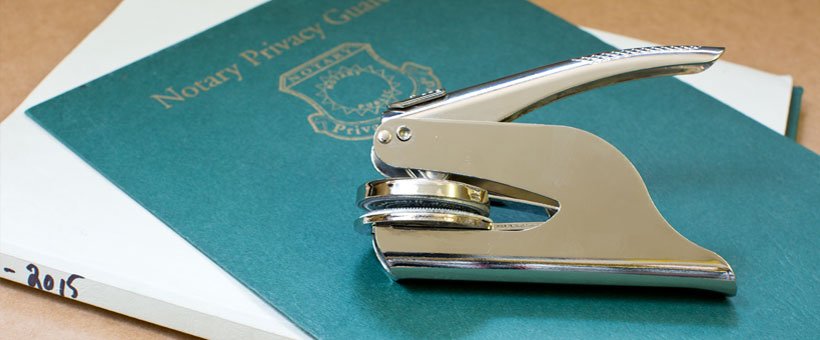
- Applying the Notary Seal – The notary affixes an official seal or stamp to the document and provides a notarial certificate that details the date and location of notarization.
- Recordkeeping – Notaries maintain records of the transaction, which can be important if the lease agreement is later questioned in court.
Following these steps carefully reduces the risk of disputes and adds credibility to your lease agreement.
Remote Online Notarization and Commercial Leases
In recent years, Remote Online Notarization (RON) has become an option for many businesses. RON allows parties to sign and notarize documents digitally through a secure video platform. This method is particularly useful when tenants, landlords, or their representatives are in different locations or unable to meet in person. California has specific rules governing RON, and it’s important to ensure that any digitally notarized lease complies with state law.
Using services like Newport Beach Mailboxes can make RON easy for businesses by providing guidance on compliance, document submission, and secure digital notarization.
Tips for Businesses
To get the most out of notarizing a commercial lease, businesses should consider these tips:
- Plan Ahead – Ensure all parties are aware of the notarization requirements before signing to avoid delays.
- Verify the Notary – Check that the notary is licensed in California and authorized to notarize commercial documents.
- Keep Copies – Maintain copies of notarized documents for your records. These can be critical in the event of a dispute or audit.
- Understand State Laws – Different states may have unique rules for notarization, so it’s important to follow local requirements carefully.
- Use Trusted Services – Working with reputable services like Newport Beach Mailboxes ensures the process is smooth, legal, and secure.
Common Mistakes to Avoid
Even experienced business owners can make mistakes when notarizing commercial leases. Avoid these common errors:
- Not verifying the authority of business representatives – Ensure signers are legally allowed to bind the company.
- Skipping notarization for key documents – Missing notarization on amendments, guarantor agreements, or powers of attorney can create legal issues.
- Using an unlicensed or expired notary – This can render the notarization invalid.
- Failing to comply with state-specific rules for RON – If using remote notarization, follow California’s requirements carefully.
Final Thoughts
Notarizing commercial lease agreements is a crucial step that protects both tenants and landlords. It provides legal evidence of voluntary signing, authenticates identities, and can prevent costly disputes. Whether using traditional notarization or remote online notarization, businesses benefit from planning ahead, following legal requirements, and working with trusted notary services.Services like Newport Beach Mailboxes help California businesses navigate both in-person and online notarization with ease, ensuring that commercial lease agreements are legally valid and professionally handled. By prioritizing notarization, businesses can focus on growth and operations while minimizing legal risks associated with commercial property agreements.