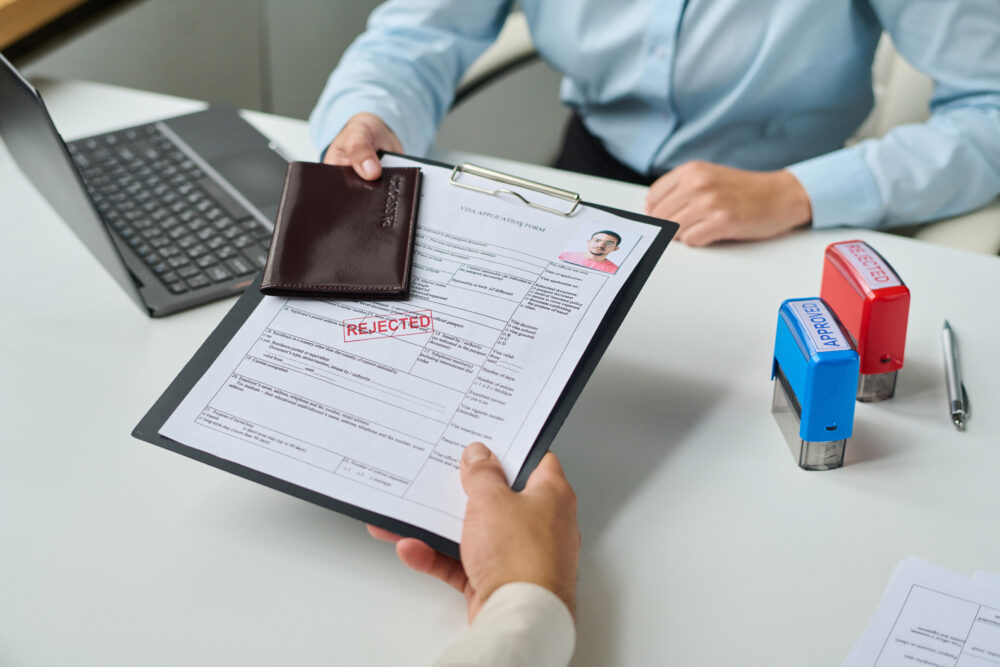
Immigration paperwork is stressful under the best circumstances. When a form asks for notarized documentation, it adds another step to a process that already involves precise deadlines, specific formatting requirements, and real consequences for errors. If you’ve been searching for a notary near me to help with USCIS documents, understanding exactly what a notary can and cannot do in this context will save you time and protect you from mistakes that are difficult to undo.
The starting point that surprises most people: USCIS does not require notarization on most of its standard forms. Petitions and applications submitted directly to USCIS, including forms like the I-130, I-485, and I-765, are signed under penalty of perjury. That declaration carries legal weight on its own. A notary stamp on those forms is neither required nor requested.
Where notarization does come into the picture is more specific, and getting clarity on those situations matters.
When USCIS-Related Documents Actually Require Notarization
Affidavit of Support (Form I-864)
The I-864 is one of the more common documents in family-based immigration cases where a U.S. citizen or permanent resident is sponsoring a relative. While USCIS doesn’t require the I-864 itself to be notarized, financial institutions and employers may require notarization on supporting documents submitted alongside it, such as bank letters, employment verification statements, or letters from accountants. It depends on what the petitioner is using to demonstrate financial ability.
Sworn Statements and Affidavits
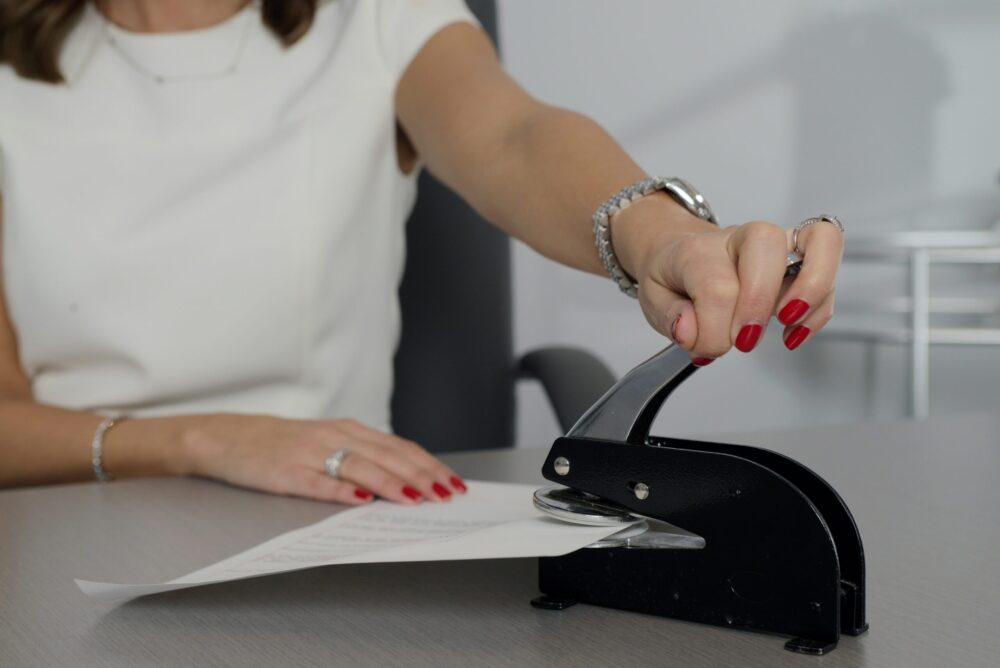
Some immigration cases require a written sworn statement from a witness or the applicant. If that statement is submitted as a formal affidavit, it typically needs to be notarized to carry evidentiary weight. A notary verifies the identity of the person signing and witnesses the signature, which is what transforms a written statement into a notarized affidavit.
Supporting Documents from Private Parties
Letters of support, relationship declarations, and financial statements from individuals, rather than institutions, may need notarization depending on how they’re being used in a case. An immigration attorney can advise on which supporting materials need that additional verification for a specific application.
Foreign Documents Entering the U.S. Process
Documents issued in another country often require additional authentication before U.S. agencies will accept them. Depending on the country of origin and the document type, that may mean an apostille, consular authentication, or both. This is a separate process from domestic notarization. A notary public in California cannot authenticate a foreign government document. That authentication has to happen through the appropriate official channels in the originating country.
The Distinction That Protects People: Notary vs. Immigration Consultant
This is where clarity matters most, and where real harm can occur.
In many Latin American countries, a notario publico is a licensed attorney with significant legal authority. That title and the professional role it carries do not translate to the United States. A notary public in California is a state-commissioned official authorized to verify identities and witness signatures. That is the full scope of their legal authority in this context.
A California notary cannot give immigration advice, evaluate which forms apply to a particular case, advise on visa categories, assist with completing USCIS applications, or represent anyone before an immigration agency. Doing any of those things without being a licensed attorney or accredited immigration representative is unauthorized practice of law, regardless of how the service is framed or what the person offering it calls themselves.
If someone presents themselves as able to “handle” your immigration paperwork by virtue of being a notary, that is a serious warning sign. For legal guidance on immigration matters, the appropriate resources are a licensed immigration attorney or an accredited representative through a recognized organization.
What a Notary Can Do, Done Well
Within their actual scope of authority, a notary plays a legitimate and useful role in immigration-related document preparation. Notarizing a sworn affidavit, verifying identity for a financial letter, or witnessing the signature on a supporting declaration are all tasks a notary handles directly and correctly.
Arriving prepared makes those appointments straightforward. Bring a valid, government-issued photo ID. All documents must be unsigned when you arrive. If a document requires a specific notarial act, such as a jurat rather than an acknowledgment, knowing which one applies in advance avoids having to redo the paperwork. When in doubt, the attorney or accredited representative handling the underlying case can clarify what type of notarization is needed before the appointment.
A Step That Deserves to Be Done Right
Immigration cases don’t offer much margin for error. A document that’s notarized incorrectly, or notarized when what was actually needed was a certified translation or foreign authentication, can delay a case significantly. Taking a few minutes to understand which documents actually need a notary, and what kind of notarization is appropriate, is time well spent.
Newport Beach Mailboxes & More provides notary services for individuals working through exactly these situations. Walk-ins are welcome for most appointments. Come with your valid ID, your unsigned documents, and a clear understanding of what each form requires. The notarization piece of the process is manageable when you approach it with the right information.