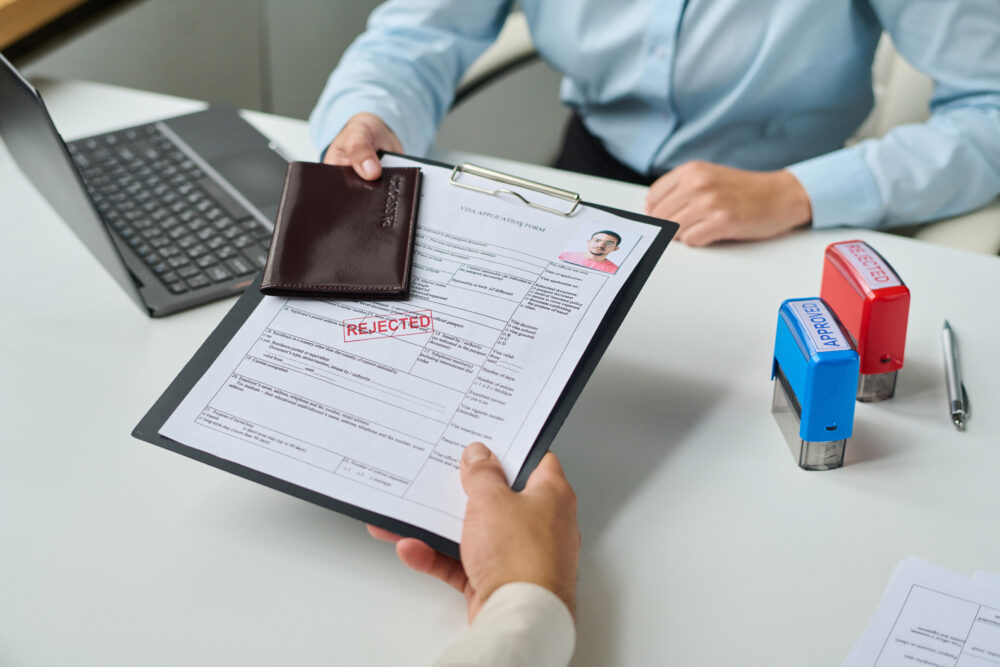
Most people don’t deal with notarized documents often enough to know exactly what to expect, and that unfamiliarity tends to create more stress than the actual process deserves. Someone updating a will, finalizing a name change, or signing an advance healthcare directive often walks in unsure what to bring, what will happen, or whether they’ve filled out the document correctly. A notary Newport Beach residents can approach without feeling like they need a law degree first makes personal legal paperwork far less intimidating than it seems from the outside.
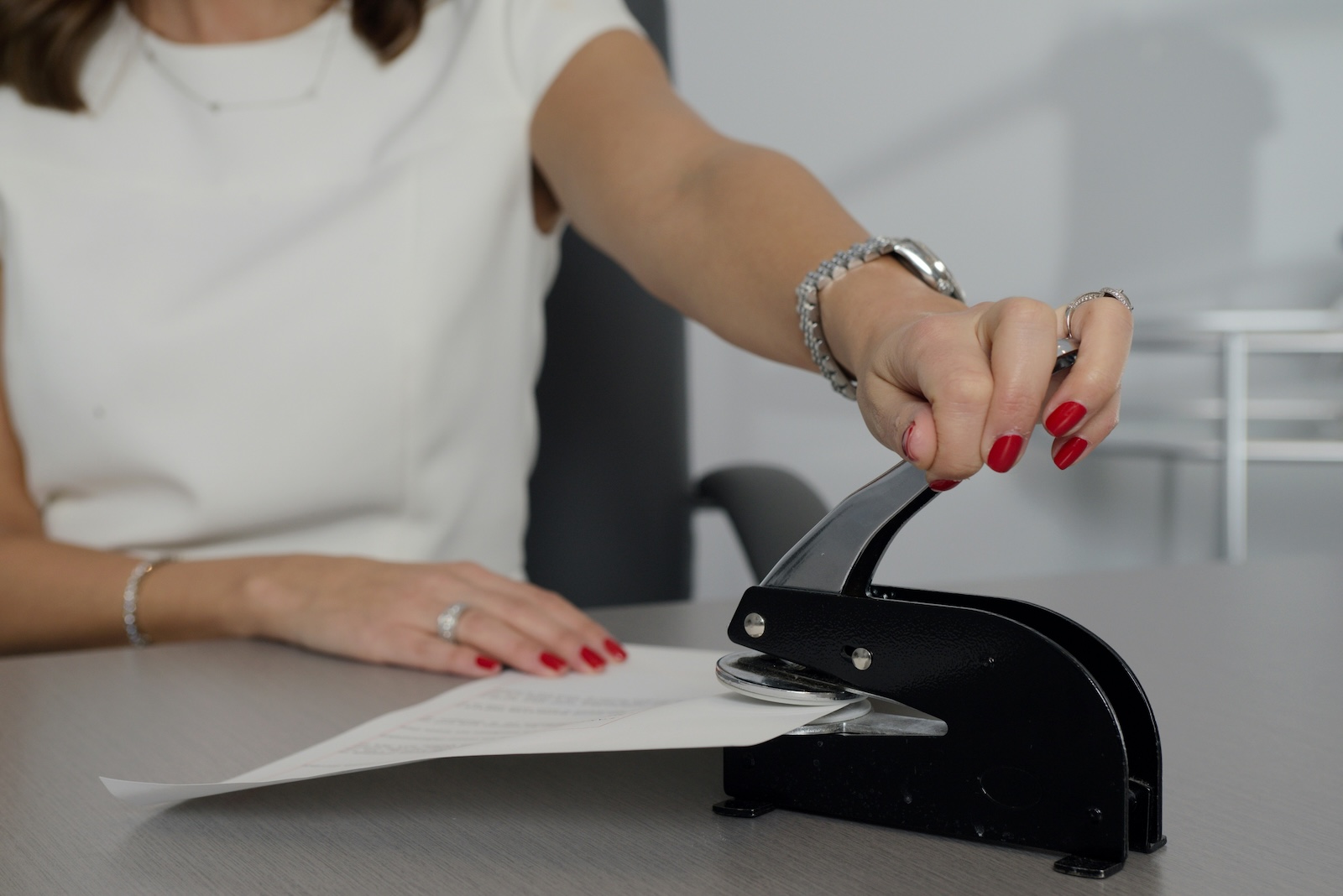
The confusion usually comes from not knowing what a notary actually does. A notary isn’t reviewing whether your document is legally sound, drafting anything for you, or offering legal advice. Their job is narrower and, once explained, much less mysterious: confirming who you are, watching you sign (or acknowledge a signature you already made), and applying an official seal that gives the document credibility with whoever eventually relies on it, a court, a bank, a hospital, a government office.
What Actually Happens During a Notarization
Walking through the process once tends to remove most of the anxiety around it. You bring the completed document and a valid, unexpired government-issued photo ID. The notary checks that ID against the name on the document and confirms you’re the person you claim to be. Depending on the document, you’ll either sign in front of the notary or acknowledge that a signature already on the page is genuinely yours.
For some documents, the notary will ask you to swear or affirm that the contents are true, this applies to documents like affidavits, where you’re making a sworn statement rather than simply confirming your identity. Once that’s done, the notary completes their own certificate, either an acknowledgment or a jurat depending on the document, signs it, and applies their official seal. That’s the entire process. Most personal legal documents take only a few minutes once the paperwork itself is ready.
Personal Legal Documents That Commonly Need Notarization
A last will and testament doesn’t always require notarization in California to be valid, since state law allows for a will to be valid with witness signatures alone. That said, many people choose to notarize a self-proving affidavit attached to the will, which can make probate faster later by avoiding the need to track down witnesses to confirm the will’s authenticity after someone has passed away.
Advance healthcare directives and living wills often do require notarization, or at minimum a notarized signature satisfies hospitals and healthcare providers more reliably than an unwitnessed one. These documents specify medical wishes in case someone can’t communicate them directly, and having them properly executed matters at exactly the moment when getting it right is hardest.
Name change documents, whether tied to marriage, divorce, or a personal decision unrelated to either, frequently need a notarized petition or affidavit before a court will process the request. Small estate affidavits, used when someone passes away with a modest estate that doesn’t require full probate, typically require notarization before banks or other institutions will release assets to the person entitled to them.
A few other personal legal documents that regularly come through:
- Guardianship nomination forms, naming who should care for minor children if something happens to a parent
- Divorce-related financial disclosures that some courts require to be notarized
- Change of beneficiary forms for life insurance or retirement accounts, when the provider requires a notarized signature
- Affidavits of identity, sometimes needed to resolve discrepancies between a legal name and the name on financial or property records
Common Questions People Have Before Their First Visit
Do I need a lawyer present? No. A notary’s role doesn’t require an attorney to be involved, and notaries aren’t permitted to give legal advice about the document’s contents regardless of how simple the question seems. If you have questions about whether a document accomplishes what you intend, that’s worth asking an attorney before your notary appointment, not during it.
What if I already signed the document at home? That’s fine for documents requiring an acknowledgment, where the notary confirms the signature is genuinely yours rather than watching you sign in real time. Documents requiring a jurat, where you’re swearing to the truth of the contents, need to be signed in the notary’s presence, so it’s worth asking ahead of time which type your document requires.
Can a family member notarize my document for me? No. Notaries in California are prohibited from notarizing documents for immediate family members, since the role requires impartiality. This surprises some people who assume a relative who happens to be a notary can simply help out.
What if my ID doesn’t exactly match the name on the document? Small discrepancies, a missing middle name or a maiden name still in use, can sometimes be resolved on the spot, but significant mismatches may require additional documentation, like a marriage certificate or court order, to confirm the name change.
Personal legal documents don’t need to feel complicated just because the stakes behind them, a will, a healthcare directive, a name change, matter a great deal. Once you understand what a notary actually checks and confirms, the process becomes one of the simpler parts of handling these matters. A dependable notary Newport Beach residents already trust for personal legal paperwork can walk you through exactly what’s needed before you even sit down to sign. Bring your ID and a completed document, and most of these visits take only a few minutes from start to finish.