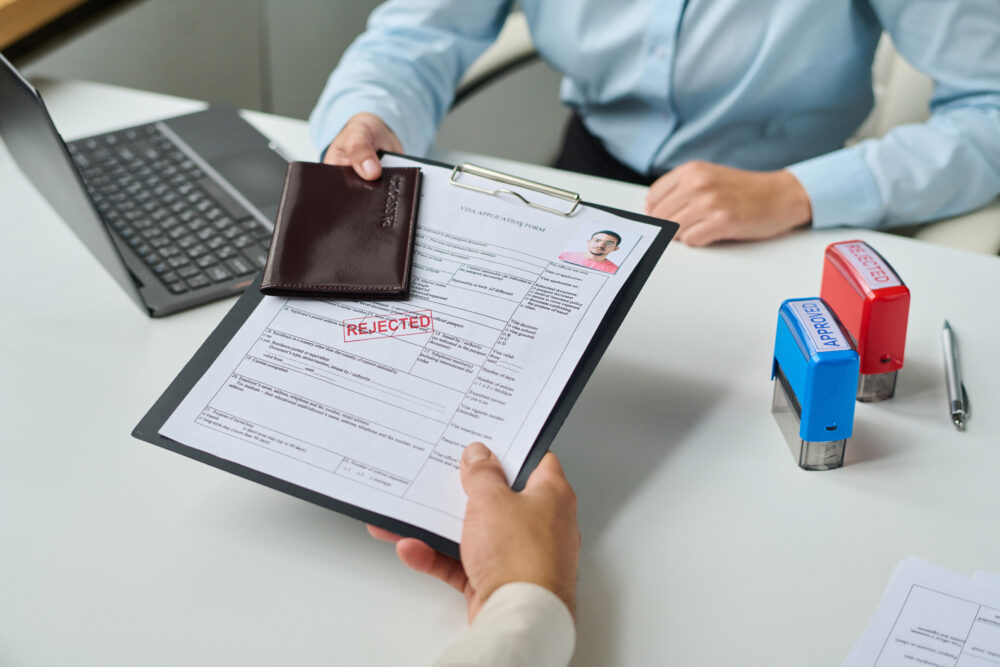

Not everyone walks into a notary appointment with the same ease. An elderly parent managing paperwork alone for the first time after a spouse’s passing. Someone recovering from surgery who can’t easily get around. A person navigating an immigration process where English isn’t their first language and the documents feel more confusing than they should. A good notary Newport Beach residents rely on pays attention to these differences, because the same document that takes five straightforward minutes for one person can feel genuinely overwhelming for another, and the way a notary handles that difference matters.
Notarization itself doesn’t change based on who’s signing. The identity check, the signature, the seal, all of it stays the same regardless of the person’s age, ability, or background. What does change is how much patience and clarity the process requires, and a notary who recognizes that tends to serve people far better than one who treats every appointment identically.
Elderly Individuals Managing Documents Alone
Aging often brings a shift where someone who never handled the family’s paperwork suddenly has to, usually after losing a spouse who managed it for decades. This can mean learning, sometimes for the first time, what a power of attorney is, how a small estate affidavit works, or why a bank suddenly wants a notarized signature on something that used to just require a signature at home.
Patience matters enormously here. Someone unfamiliar with the process benefits from a notary willing to explain, in plain terms, what a document actually requires before rushing through the signing itself. This doesn’t mean offering legal advice, which notaries can’t do, but it does mean taking the time to walk through what an acknowledgment versus a jurat means, or confirming that someone understands what they’re swearing to before they sign an affidavit.
Mobility can also become a factor as people age. Someone who no longer drives, or who finds getting in and out of a car difficult, benefits from a notary location that’s easy to access without a long walk from parking, along with staff who don’t rush someone who needs a bit more time to sign comfortably.
People With Temporary or Ongoing Physical Limitations
Recovering from surgery, managing a chronic illness, or living with a disability can all make a routine errand harder than it should be. Someone with limited hand mobility may need extra time to sign, or may need to use an alternative signing method, like a signature by mark, which California law allows for individuals who are physically unable to sign their name in the usual way, provided specific witnessing requirements are met.
Documents for people in this situation often include healthcare directives, powers of attorney authorizing a caregiver to handle finances, or consent forms for a home health agency. These documents matter more, not less, for someone managing a health condition, since they often determine who can act on that person’s behalf if their condition changes.
Navigating Language and Cultural Differences
Immigration-related paperwork brings its own set of challenges, particularly for someone whose first language isn’t English. Affidavits of support for a family member’s visa application, sponsor letters, and certain green card documents often require notarization, and the stakes attached to getting these right, sometimes affecting whether a family member can join someone in the country, make clarity essential.
California notaries are not permitted to translate documents or explain their legal meaning, but a notary who understands this dynamic can at least make sure the signer knows exactly what they’re confirming: that they are who their ID says they are, and that the signature on the page is genuinely theirs. For signers who aren’t fluent in English, it’s worth bringing a trusted person along, not to sign or translate the notary’s official language, but to help make sure everything about the visit feels less confusing.
Some documents require the signer to personally understand the contents of what they’re signing, which means a notary may ask clarifying questions to confirm real comprehension rather than simply proceeding because someone nodded along. This isn’t meant to slow things down unnecessarily. It’s meant to protect the signer from later disputes about whether they actually understood what they agreed to.
What Makes These Visits Go Well
A few things help regardless of the specific circumstance:
- Bringing a trusted family member or friend along for support, even though they typically can’t sign on someone else’s behalf
- Asking questions before signing anything, since a notary would rather clarify a document’s requirements than notarize something the signer doesn’t fully understand
- Allowing extra time for the appointment rather than assuming it will take only a few minutes, particularly for signature by mark or documents involving multiple steps
Everyone deserves the same careful, unhurried attention when something as important as a healthcare directive, a sponsor letter, or a power of attorney is on the table. Whether it’s an elderly parent handling paperwork for the first time or someone working through an unfamiliar process in a second language, a patient and dependable notary Newport Beach residents can trust makes these moments easier instead of one more source of stress. Bring your ID, take the time the document deserves, and the process moves at whatever pace actually works for you.