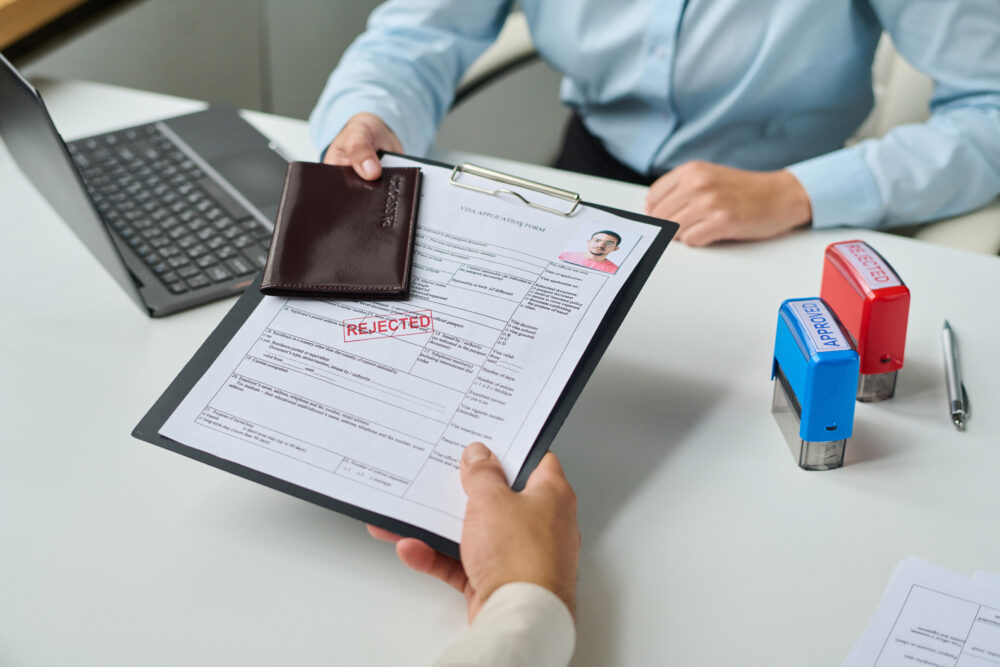
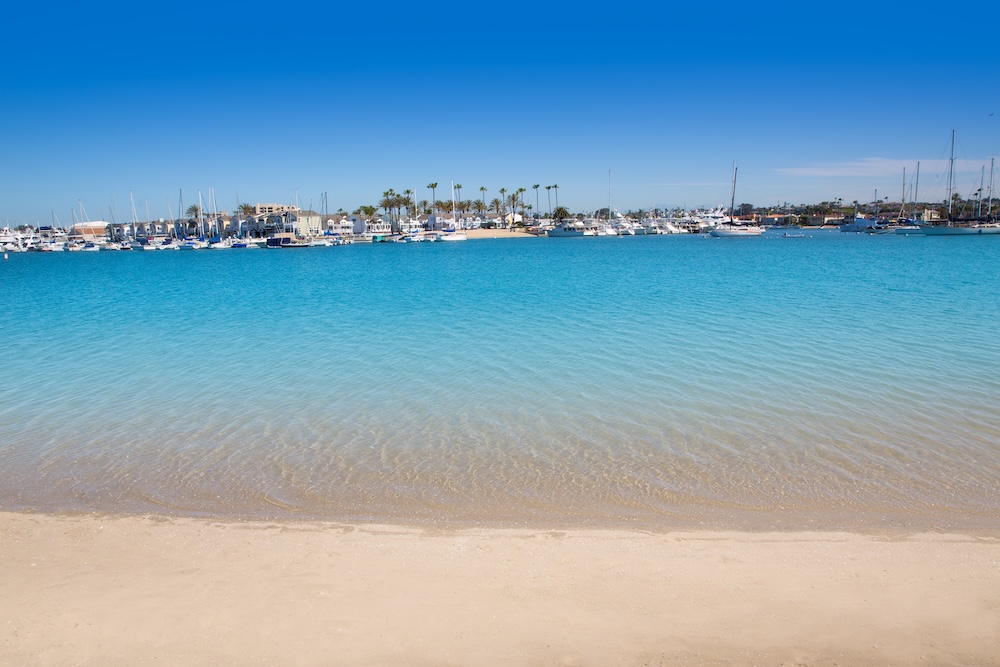
Newport Beach has more boat slips than most Californians realize, and a healthy share of households here also keep a place in Big Bear, Palm Desert, or up the coast in Carmel. Life away from the main address comes with paperwork that does not stop just because the signer is on a deck or in a mountain cabin. Closing on a second property, transferring a vessel title, amending a trust, or signing a spousal consent during a financing call all produce documents that need a wet signature in front of a witness. The search for a notary near me changes in those moments, because the visit has to come to the boat or the house rather than the other way around.
Personal Appearance Is Still the Rule in California
California Civil Code § 1185 requires that the signer personally appear before the notary at the time of the notarial act. The statute does not bend for location. A notary can travel to a yacht at Lido Anchorage, to a home on the Balboa Peninsula, or to a vacation property in Avalon, and the law treats each visit the same way. What the statute does not permit is a signature collected over a video call or through an emailed scan. Remote online notarization is being developed under SB 696, but the rules in current effect still require physical presence and a live signature.
The practical effect is straightforward. The signer has to be there. The notary has to be there. The document has to be there. Everything else is logistics.
Documents That Come Up Away From the Desk
Yacht owners run into the question more often than expected. California treats vessels much like vehicles, and a sale, gift, or transfer of ownership uses DMV Form REG 227, which carries an acknowledged signature block. Owners refinancing a vessel loan, adding or removing a co-owner, or transferring a boat into a living trust all need a notary’s seal on the page. A signing on the boat itself is sometimes the cleanest option, particularly when the vessel has been hauled out, is sitting in a slip at Newport Harbor Yacht Club, or is staged for sale at one of the brokerage docks.
Real estate generates the next layer. A second home in Lake Arrowhead, a condo in Palm Springs, or a coastal rental in San Diego often closes while the owner is staying at the main residence in Newport Beach, but the opposite happens too. An out-of-state lender funding a property in Mammoth wants the closing documents notarized at the borrower’s actual location, even if that location is a kitchen table in a rental cabin.
Trust amendments come up almost as often. A trustee on vacation receives an updated draft from counsel, the document needs to be signed and notarized before the next distribution or sale, and the trustee does not want to fly home to do it.
What Happens When a Notary Near Me Travels to the Signing
A notary traveling to a yacht or a vacation home brings the same set of tools used at the counter: the journal required under Government Code § 8206, the seal, the certificate forms for acknowledgments and jurats, and a current commission. The signer provides the rest. A flat, stable surface helps. Adequate lighting matters. Privacy from anyone not part of the signing keeps the conversation cleaner, particularly when the document involves family financial decisions or contested matters.
Identification has to be current. A California driver’s license, a U.S. passport, a passport card, or a military ID all satisfy the standard under Civil Code § 1185. An expired ID does not work, even if the photograph is unmistakable. Signers who keep a separate ID at the vacation property should check the expiration date before scheduling the visit.
If the document calls for witnesses, the signer is responsible for arranging them. The notary cannot serve as a witness on a document being acknowledged at the same visit. Two adults with their own valid identification, not related to the signer and not benefiting from the document, generally satisfy California’s witness requirements where they apply.
Fees and Timing for Mobile Work
California sets the maximum notary fee for an acknowledgment or a jurat at fifteen dollars per signature under Government Code § 8211. Travel fees are separate and not capped by statute, which is why mobile notary work is quoted as the statutory fee plus a travel charge. Distance, time of day, and the complexity of the appointment all affect the travel piece. Scheduling a mobile visit a day or two ahead, rather than the morning of, keeps the cost more predictable.
When the Boat or the Cabin Becomes the Office
The signature page does not care where the table is. It cares that the signer was present, identified, and acknowledged the signature in front of a commissioned notary. Closing a vessel sale on the dock, signing a trust amendment on a covered porch, or finalizing a spousal consent at a vacation rental all work the same way once the notary arrives. Newport Beach Mailboxes & More handles walk-ins at the San Miguel Drive location and arranges mobile visits when the signer cannot make it in. Whether the search for a notary near me ends at the counter or at a slip in Newport Harbor, the document gets signed, sealed, and ready to file the same day.