Planning a wedding involves a long list of decisions, and somewhere on that list is the question of who will actually perform the ceremony. Couples sometimes wonder whether the notary they already know, or one they find by searching for a notary near me, can step into that role. The answer depends heavily on where you live. In a small number of states a notary can legally officiate a wedding, while in most others they cannot. Knowing the rules for your state before you count on a notary saves you from a serious problem on your wedding day.
The Short Answer Depends on Your State
Notary authority comes from the state, and the powers granted to notaries differ from one state to the next. Officiating marriages is not a standard notary power across the country. It is a special authority that only a few states extend to their notaries.
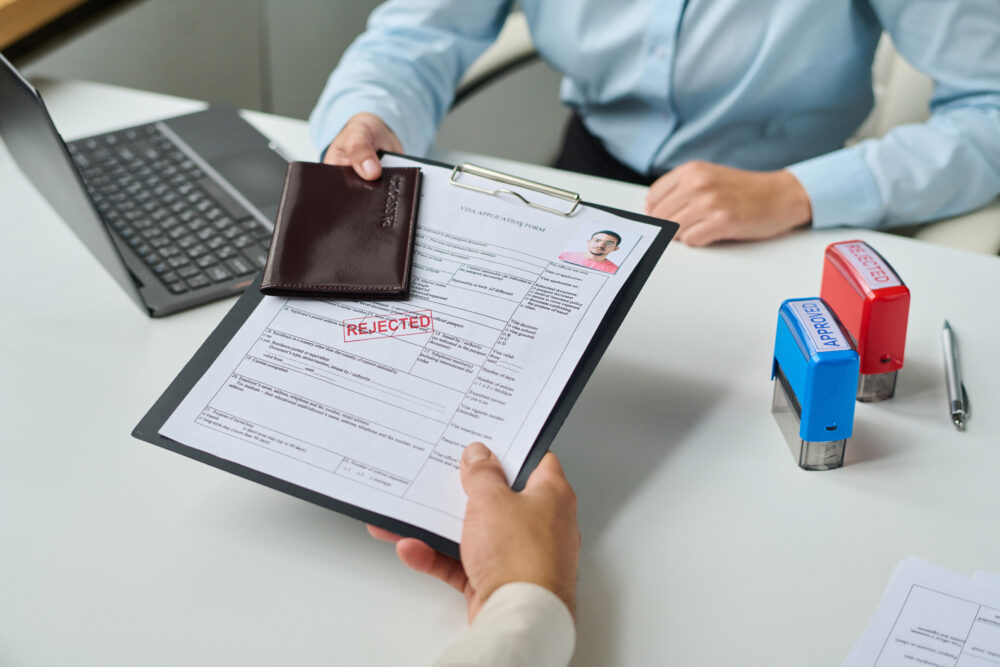
For couples in most states, a notary public cannot solemnize a marriage. The notary’s role is limited to verifying identities, witnessing signatures, and administering oaths, none of which includes pronouncing a couple married. Assuming your notary can perform the ceremony, without checking, is a mistake that could leave your marriage legally unrecognized.
States Where Notaries Can Officiate Weddings
A handful of states do grant notaries the authority to perform marriage ceremonies. Florida, South Carolina, and Maine are the states most commonly cited as allowing notaries to officiate weddings. In these states, a notary can legally solemnize a marriage in the same way an ordained minister or judge would.
Florida is the best-known example, where notaries have long had the authority to perform marriage ceremonies. If you are marrying in one of these states and want a notary to officiate, confirm the current rules directly, since laws can change and the details matter. Even in states that allow it, the notary must still follow the proper process for completing and returning the marriage license.
Who Can Officiate in Most Other States
If you are not in one of those few states, you will need someone else to perform the ceremony. The list of authorized officiants is usually broad, so this rarely becomes a real obstacle.
Common authorized officiants include:
- Ordained or licensed members of the clergy
- Judges and certain other judicial officers
- Justices of the peace, where the role exists
- Some county clerks and other designated officials
Many couples who want a friend or family member to officiate have that person get ordained online through a recognized organization, which is permitted in many states. This is a separate path from notary authority and is worth exploring if you want a personal touch to the ceremony.
Why the Distinction Matters So Much
A marriage performed by someone without legal authority to officiate can create real headaches. If the officiant was not authorized, the validity of the marriage can be called into question, which affects everything from taxes to insurance to inheritance. This is not a technicality to wave off.
The marriage license adds another layer. Regardless of who officiates, the couple needs a valid marriage license, and the officiant typically has to complete and return it within a set timeframe. An officiant who is unfamiliar with these steps can cause delays or paperwork problems even when they were legally allowed to perform the ceremony. Choosing someone who understands the process protects the legal standing of your marriage.
What a Notary Can Still Help With
Even in states where a notary cannot officiate, notaries still play a role in plenty of marriage-related paperwork. Prenuptial agreements often need to be notarized to strengthen their enforceability. Name change documents after the wedding may require notarization. Couples handling an international marriage sometimes need documents notarized as part of the process.
So if a notary cannot marry you in your state, they can still be useful for the documents surrounding your union. It simply means the ceremony itself needs an authorized officiant.
Confirming the Rules Before Your Big Day
The safest approach is to verify your state’s requirements well before the wedding, ideally when you apply for your marriage license. The office that issues licenses can tell you exactly who is authorized to officiate in your state and what the officiant must do afterward. A little confirmation upfront prevents an unwelcome surprise later.
So can a notary officiate a wedding? In a few states like Florida, South Carolina, and Maine, yes, but in most states you will need a member of the clergy, a judge, or another authorized officiant instead. For the marriage-related documents that often need a stamp, like a prenuptial agreement or name change paperwork, and whenever you are searching for a trusted notary near me in the Newport Beach area, the team at Newport Beach Mailboxes is ready to help. Stop by or call ahead to take care of your paperwork with confidence.